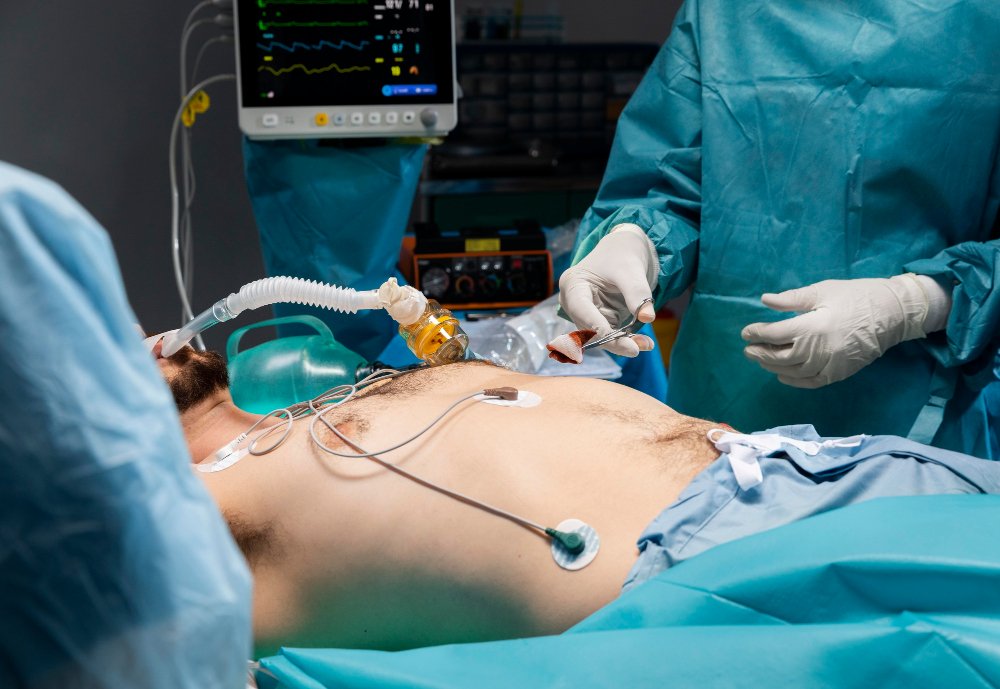
Upper Gastrointestinal (GI) endoscopy, also known as esophagogastroduodenoscopy (EGD), is a medical procedure that allows a gastroenterologist to examine the upper digestive tract. During this minimally invasive procedure, a thin, flexible tube with a camera and light source is passed through the mouth and into the esophagus, stomach, and the beginning of the small intestine. Upper GI endoscopy is used to diagnose and treat various conditions, such as gastroesophageal reflux disease (GERD), ulcers, swallowing difficulties, and to screen for issues like Barrett’s esophagus or early signs of cancer. It provides real-time visualization of the upper GI tract, aiding in accurate diagnosis and potential therapeutic interventions.